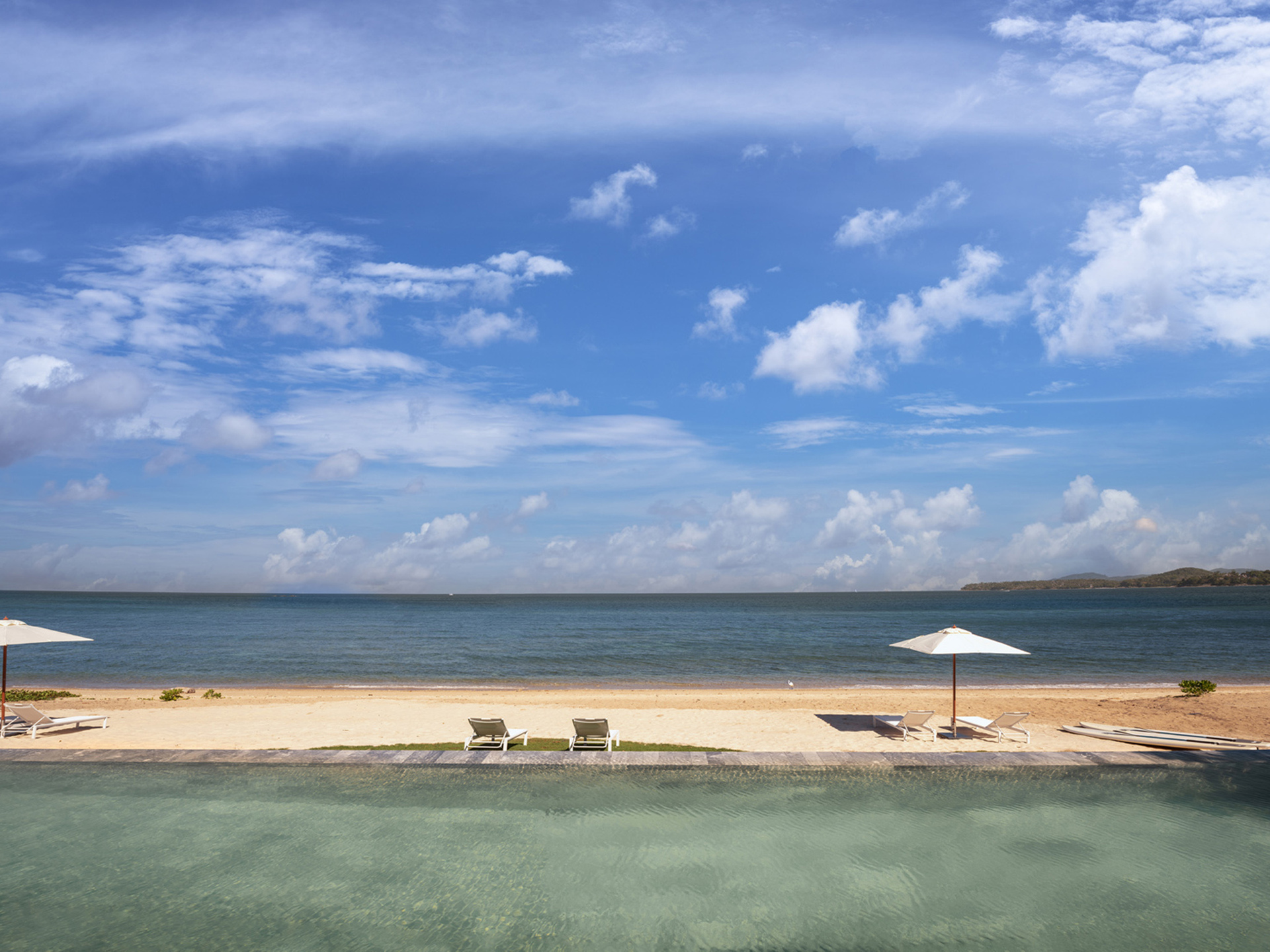
The best time to visit Phuket is late November through early March. January and February give you the driest, coolest weather of the year, but they also bring the biggest crowds and highest prices. If you want that same calm-sea, blue-sky weather with fewer tourists, book November or early March instead. Avoid April and May if you can't handle intense heat, and avoid September and October if you want to stay out of the rain altogether.
That's the one-line version. Here's everything behind it, built specifically for US and UK travellers trying to time this trip right.
Sun, Rain, and Crowds Peak in Different Months in Phuket
Phuket really only has two seasons on paper: dry and wet. But avoiding extreme sun, rain, and crowds is three separate problems, not one, and no single month fixes all three at once. January and February are driest, but they're also the busiest and the most expensive weeks of the whole year. Push into September and hotel rates drop hard, yet that's exactly when the rain won't quit. There's a middle ground, and it lands in different spots depending on which of the three is bothering you most.
Below is the month-by-month version, so you can match a month to whatever you actually care about - heat, dry skies, or a beach without fifty other people on it.
- Sun, Rain, and Crowds Peak in Different Months in Phuket
- Phuket's Three Seasons: Dry, Hot, and Rainy
- Phuket Weather by Month: Full Breakdown Table
- The Real Sweet Spot: November and Early March
- Phuket Weather Questions, Answered
- The Short Version: Best Month for Every Kind of Traveller
- Frequently Asked Questions
Phuket's Three Seasons: Dry, Hot, and Rainy
Skip the four-season framing you'll see elsewhere. Phuket runs on three, and they behave nothing alike.
November to February - Phuket Dry Season
Skies stay clear, the sea calms down enough for island-hopping, and humidity finally drops. This is the stretch most people mean when they say "peak season," and the weather backs it up. It's also when hotel rates climb the highest, particularly the last two weeks of December.
March to May - Phuket Hot Season
The sea and sky still look great, but the heat turns punishing - 35 to 40°C, with humidity climbing right along with it. April brings Songkran on top of that, when the island turns into a giant, good-natured water fight for several days.
Mid-May to October - Phuket Rainy Season
Rain shows up most afternoons here, usually in short bursts rather than all-day downpours. Through the thick of it you're looking at 19 to 22 rainy days out of 30, according to seasonal rainfall data for the island. September is the roughest month by far - about 361mm of rain spread across 23 days, per Phuket 101's monthly weather breakdown - but it's also the cheapest time to book and the quietest time to find a beach.
Phuket Weather by Month: Full Breakdown Table
| Month | Weather | Rain Risk | Crowd Level | Best For |
|---|---|---|---|---|
| January | Sunny, cool, calm sea | Very low | Very high | Best all-round weather, worth the crowds |
| February | Sunny, slightly warmer | Very low | Very high | Diving, snorkelling, island trips |
| March | Hot, still mostly dry | Low | High | Good weather, prices starting to ease |
| April | Very hot, humid | Moderate (late month) | High (Songkran) | Songkran festival, heat-tolerant travellers |
| May | Hot, first real showers | Rising | Moderate | Transitional month, fewer crowds |
| June | Warm, brief downpours | Moderate–high | Low | Budget travel, sunny gaps between storms |
| July | Warm, more frequent rain | High | Low | Shopping sales, indoor attractions |
| August | Warm, peak monsoon building | High | Low | Budget stays, lush scenery |
| September | Warm, roughest seas | Very high | Very low | Deep discounts, not for beach time |
| October | Warm, rain easing off | High, improving | Very low | Transition month, Vegetarian Festival |
| November | Sunny, drying out | Low | Moderate | Best value-to-weather ratio |
| December | Sunny, cool, festive | Low | Very high | Christmas/New Year atmosphere, book early |
These patterns are based on multi-year averages - Phuket's weather is genuinely unpredictable year to year, so treat this table as a strong tendency rather than a guarantee.
The Real Sweet Spot: November and Early March
If you want the dry-season weather without fighting for a sunbed, aim for November or the first half of March. Both sit just outside the December–February crush. November brings the return of the dry season, with clear skies and calm seas, and prices haven't caught up to peak-season levels yet. Early March gives you almost the same deal on the way out of high season, before the heat properly kicks in.
This is also the smartest window to book if you're staying in a private villa rather than a hotel. Villas tend to sell out further in advance for the December–February rush, so travelling just before or after that window means better availability and a wider pick of villas in Phuket without the peak-season price tag attached.
If your priority is strictly "as little rain as humanly possible," January is your month. January and February are the driest months of the year, with only about three to four rainy days each. Just book your accommodation well ahead, because so does everyone else.
This same window is also when it makes sense to combine Phuket with somewhere else in Thailand - the dry season isn't unique to this coast. If a longer trip is on the table, plenty of travellers pair a Phuket stay with the Gulf coast, where luxury villas in Koh Samui offer a quieter, more low-key second stop. Either way, the full range of luxury villas across Thailand is worth a browse before you lock in dates, since availability tightens fast for the exact months this guide points you toward.
Phuket Weather Questions, Answered
Is Phuket too hot in the summer?
Depends what you mean by hot. June to August feels muggy and warm, but it's nothing next to April and May, when the temperature sits at 35 to 40°C and the air gets thick enough to feel. Funnily enough, once the rain rolls in around June, things cool down a little.
When should I avoid Phuket completely if I can't handle rain?
September, no question. Push it to mid-October if you want to be cautious. Most months, the rain comes in, does its thing for twenty minutes, and clears out. September doesn't play by that rule. It rains longer, more often, and the west coast sea gets too rough to swim in without thinking twice.
Does UK school holiday timing clash with Phuket's peak season?
Pretty much dead on. Christmas break and February half-term both sit right inside Phuket's best weather window, so if you're tied to school dates, you're paying peak prices. That's just how it works out. At least you're getting the best weather of the year for your money. If you've got any flexibility at all, shift a week either side of half-term and the crowds thin out noticeably.
What about the Thanksgiving-to-New-Year window for US travellers?
Late November is one to grab if you can. Dry season's already started, the crowds haven't caught up to it yet. Fly the week after Thanksgiving instead of over Christmas and you skip both the rain and the price spike that comes with the holidays.
Is it actually worth visiting during the rainy season to save money?
If swimming in the sea isn't the point of your trip, yes. Hotels get cheaper, the island quiets right down, restaurants and tours mostly run as normal. The one thing that doesn't hold up is the water on the west coast; it turns properly unsafe, not just a bit choppy. Beach holiday, skip this season. Food, spas, temples, markets, go for it, you'll have the place mostly to yourself.
Are the beaches actually dangerous during monsoon season, or is that overblown?
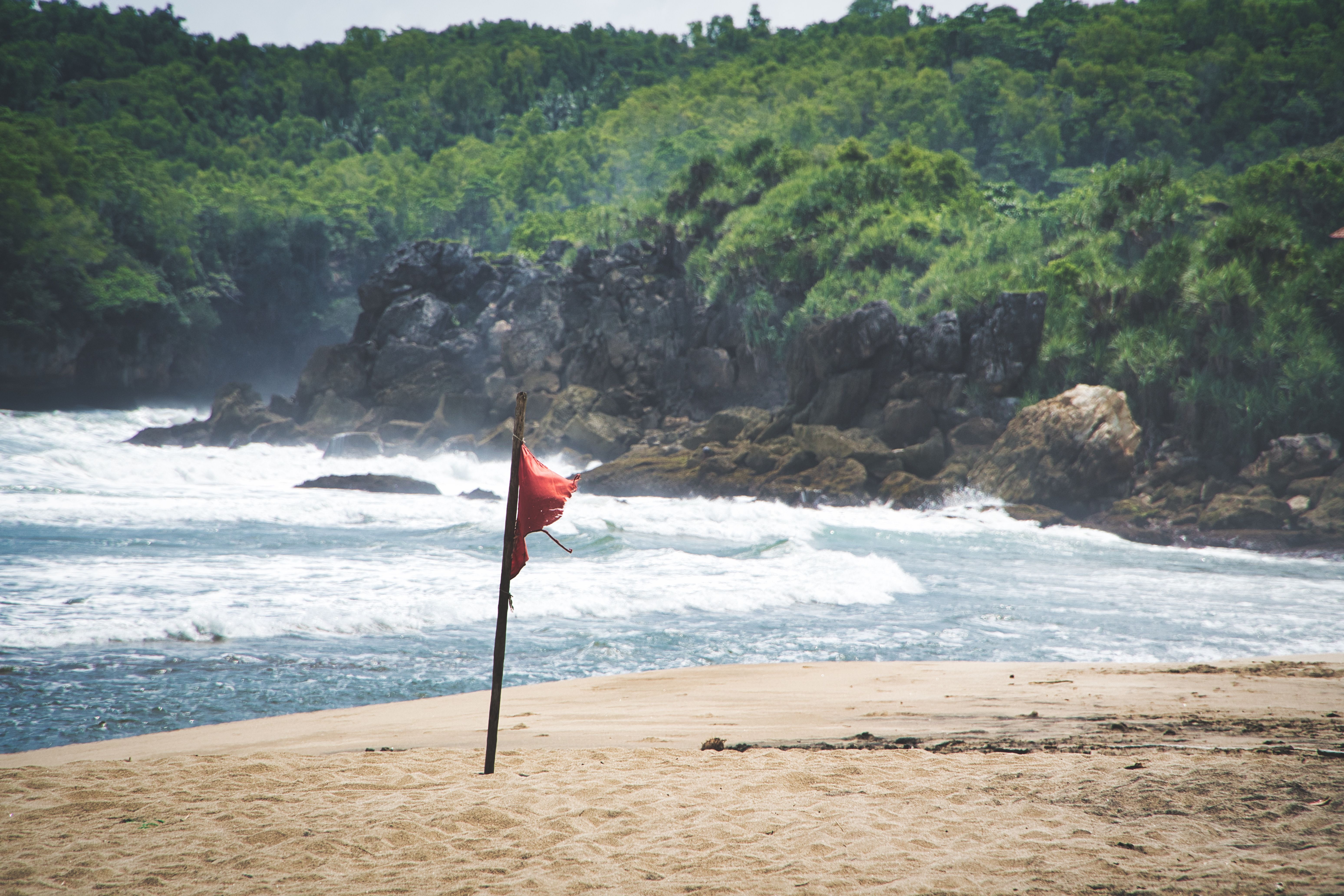
It's real, not overblown. Something like 30 to 50 people drown here every year, and that number climbs hard once monsoon season hits. Nearly every case comes down to the same thing: someone swam past a red flag, or the sea turned faster than they expected. Don't argue with the flags. Lifeguards have been hurt trying to pull people out who ignored them. May through October, check before you go in, every time, even if it looks flat from the beach.
Which islands close during the rainy season?
The Similan Islands shut down completely, roughly mid-May through mid-October. Cross that trip off your list if your dates land in there. Phi Phi and the rest stay open all year, though crossings get bumpier and the odd trip gets cancelled when the sea turns.
Can I dive or snorkel year-round?
Technically yes. Practically, November to April is when it's actually worth doing, thanks to better visibility and calmer water, both around Phuket and out toward Koh Phi Phi. Outside that stretch, the water clouds up and the boats get thrown around more, rain or no rain.
Is there a month that's good for both weather and price?
November, most years. Clear skies, calm sea, and hotel prices that haven't caught up to the December rush yet. Late March does something similar on the way out of high season, just a touch warmer.
What should I pack differently depending on when I go?
- November to February - keep it simple: sunscreen, a hat, maybe a light layer for the evenings.
- March to May - the same, plus rehydration salts, and try doing anything outdoorsy before 11am or after 4pm.
- Rainy season - a real rain jacket, quick-dry clothes, and a dry bag if you're out on day trips. It won't rain all day. It just won't warn you either.
The Short Version: Best Month for Every Kind of Traveller
- Chasing guaranteed sun and calm seas and don't mind sharing the beach?
January or February, no contest. - Want basically the same weather without the elbow-to-elbow crowds?
November, or the first half of March. - Okay with real heat if it means a quieter, cheaper trip?
April or May - go big for Songkran or steer clear of it, your call. - Money matters more than swimming?
June through August, rain jacket packed. - And the one month worth skipping outright:
September, unless a heavily discounted, mostly-indoor trip actually sounds like your idea of a good time.
Whatever month you land on, check the beach flags before you swim. That one habit matters more to your trip than the month you picked.
Best Time to Visit Phuket - Frequently Asked Questions
Citations & Sources
Weather and rainfall figures drawn from Phuket 101's month-by-month weather guide and Phuket Tropic Tours' seasonal breakdown. Beach safety figures from Phuket Expat Guide's beach safety report.